

Nebraska Insurance Professional and Policy Author Lee Benham Announces Intent to Explore U.S. Senate Run as a Democrat
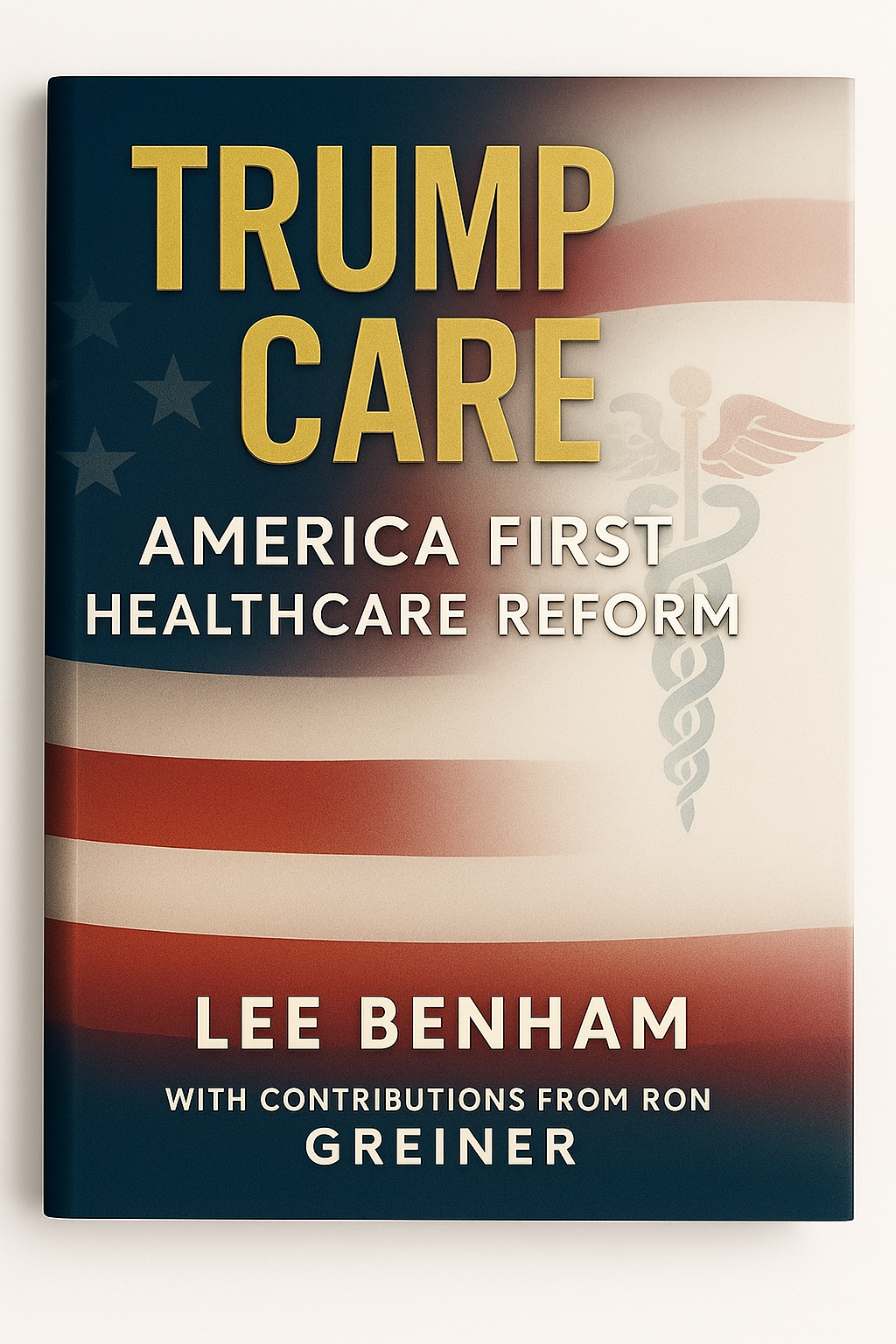
Trumpcare Age-Based-Tax credits
Nebraska Insurance Professional and Policy Author Lee Benham Announces Intent to Explore U.S. Senate Run as a Democrat
TrumpCare isn’t about politics. It’s about saving workers’ wages, restoring choice, and ending the waste baked into our insurance system—no mandates, no repeal, just math that works for taxpayers”
BELLEVUE, NE, UNITED STATES, January 21, 2026 /EINPresswire.com/ -- Lee Benham, a Nebraska-based insurance professional and policy author, announced today that he is exploring a potential run for the United States Senate as a Democrat.— Lee Benham
Benham is the author of TrumpCare: America First Healthcare Reform, a policy-focused book examining the structure of the U.S. health insurance financing system. The book outlines a voluntary, market-based framework centered on age-based tax credits and individual ownership of health insurance, while preserving all existing coverage options. Benham emphasized that the book’s title reflects a moment in national policy debate rather than a political endorsement, and that the framework itself is designed to be bipartisan, voluntary, and focused on long-term system stability.
“The title of the book has generated attention because it challenges political expectations,” Benham said. “But the substance is not partisan. The book is a policy analysis about how health insurance is financed, why costs continue to rise, and how the system might be stabilized without forcing anyone off their current coverage.”
According to the analysis presented in TrumpCare, transitioning to a voluntary age-based tax credit model could reduce federal health insurance spending by more than one trillion dollars annually by replacing open-ended subsidies with defined, predictable credits. At the state level, the framework estimates potential savings of approximately $500 million per year for Nebraska taxpayers, largely driven by reduced reliance on subsidy-based programs and distortions tied to employer-sponsored insurance. The analysis further estimates that a typical Nebraska family could retain an average of roughly $24,000 per year in additional income through higher wages and lower hidden insurance costs as employer-sponsored premium burdens decline.
Benham has worked in the insurance and financial services industry for more than three decades, advising individuals, families, and small businesses on health, life, and retirement planning. His professional work has focused on distinguishing between health care delivery and health insurance financing, with an emphasis on cost containment, risk pooling, and consumer choice.
Policy Context and Democratic Interest
While the book has drawn attention because of its title, Benham noted that discussion of its policy framework has increasingly crossed party lines. The analysis presented in TrumpCare focuses on issues that have been central to Democratic policy debates, including wage stagnation, rising household costs, and the long-term sustainability of health insurance subsidies.
The book documents how employer-sponsored health insurance functions as a component of total compensation and examines how rising premiums can suppress wage growth and reduce take-home pay over time. It also distinguishes between health care delivery—doctors, hospitals, and medical services—and health insurance as a financing mechanism, a distinction frequently made in academic and economic policy literature.
TrumpCare does not propose eliminating employer-sponsored insurance, the Affordable Care Act, Medicare, or Medicaid. Instead, it presents a voluntary alternative that individuals may choose if it better fits their needs, while allowing all existing programs and coverage options to remain in place. The framework does not mandate enrollment, repeal existing laws, or require individuals to leave current plans.
The book also addresses structural instability in the current system, including reliance on temporary subsidy expansions, income-based eligibility cliffs, and periodic federal interventions to stabilize markets. By proposing defined, age-based credits, the framework aims to introduce predictability into health insurance financing without expanding federal administrative requirements.
In addition, the analysis explores distributional effects, noting that younger and lower-income households may disproportionately benefit from the ability to retain unspent health insurance funds, while public programs remain available for those who prefer or require them.
Benham stated that the policy framework has drawn interest because it focuses on financing mechanics rather than political alignment. “You don’t have to agree with the title to evaluate the analysis,” he said. “The intent is to examine whether the math works and whether the structure improves stability for workers and taxpayers.”
Exploratory Phase
“This is not a campaign announcement,” Benham said. “It is a public declaration of intent to explore whether a policy-driven, nontraditional approach to health insurance reform resonates with voters. This exploratory phase is about listening, engaging, and evaluating whether there is interest in addressing the structural issues that continue to drive costs for workers and taxpayers.”
During the exploratory period, Benham plans to meet with constituents, policy experts, business owners, and community leaders across Nebraska to assess interest and feasibility. No final decision regarding candidacy has been made.
Lee Benham
Lee Benham
+1 402-312-4555
email us here
Visit us on social media:
YouTube
How aged base tax credits work
Legal Disclaimer:
EIN Presswire provides this news content "as is" without warranty of any kind. We do not accept any responsibility or liability for the accuracy, content, images, videos, licenses, completeness, legality, or reliability of the information contained in this article. If you have any complaints or copyright issues related to this article, kindly contact the author above.
